
Iceland has some of the most changeable driving conditions in Europe. A road that was clear and dry in the morning can be closed by wind or snow by lunchtime, so conditions are something you check on the day, not something you plan around a week ahead.
Check these three sources before every drive
Three official sites cover everything you need. Bookmark all three before you collect the car.
- Safetravel from Icelandic search and rescue: travel alerts, safety advice, and a travel plan you can leave with them before heading somewhere remote.
- The Icelandic Met Office for weather, and above all for wind. Wind is the thing that catches visitors out.
- Umferdin from the Icelandic Road and Coastal Administration for live road conditions and closures.
Emergency number: 112. It works from any phone, anywhere in the country. There is also a 112 Iceland app that can send your location to rescue teams.
Learn the road condition colours first
The Umferdin map is only useful if you know what the colours mean, and the terms do not always translate the way you would guess. "Slippery" and "spots of ice" are different warnings with different consequences, and a road marked impassable is closed to everyone, not just to small cars.
The road administration publishes definitions for every term on the map. Read them once, at the start of the trip, rather than trying to work them out at the side of a road in poor light.
If a road is closed, it is closed. Driving past a closure sign is illegal, and it puts the rescue volunteers who come to find you at risk too.
Wind is the hazard people underestimate
Iceland gets gusts strong enough to tear a car door off its hinges. It happens often enough that most rental damage policies specifically exclude it, and it is not covered by ordinary insurance.
Two habits protect you. Park facing into the wind, and hold the door with both hands when you open it. Check the gust forecast, not just the average wind speed, because the average tells you nothing about the gust that catches the door.
High winds also carry sand and grit, which can strip paint from a car in minutes during a storm. If the forecast shows a sandstorm along your route, wait it out rather than driving through it.
Roads that a Tesla should not be on
F-roads are mountain tracks in the interior. They are open only in summer, the dates vary by road, and Icelandic law requires a proper four wheel drive vehicle on them. Many involve unbridged river crossings. A Tesla is not the car for them, and taking one there voids the rental agreement.
Driving off marked roads and tracks is illegal everywhere in Iceland, including on sand and gravel. The damage to moss and lichen takes decades to grow back, and the fines are large.
On the roads you can use, the things that surprise visitors are single lane bridges, blind rises, and the change from tarmac to gravel with no warning. Slow down well before all three. Loose gravel is where most single vehicle accidents happen.
The rules that differ from home
- Headlights stay on day and night, all year round. This is the law, not a suggestion.
- Seatbelts are compulsory for everyone in the car.
- Speed limits are generally 50 in built up areas, 80 on gravel roads and 90 on paved rural roads.
- Do not drink and drive. The legal limit is very low and enforcement is strict.
- In winter, the car must be on tyres suited to the conditions.
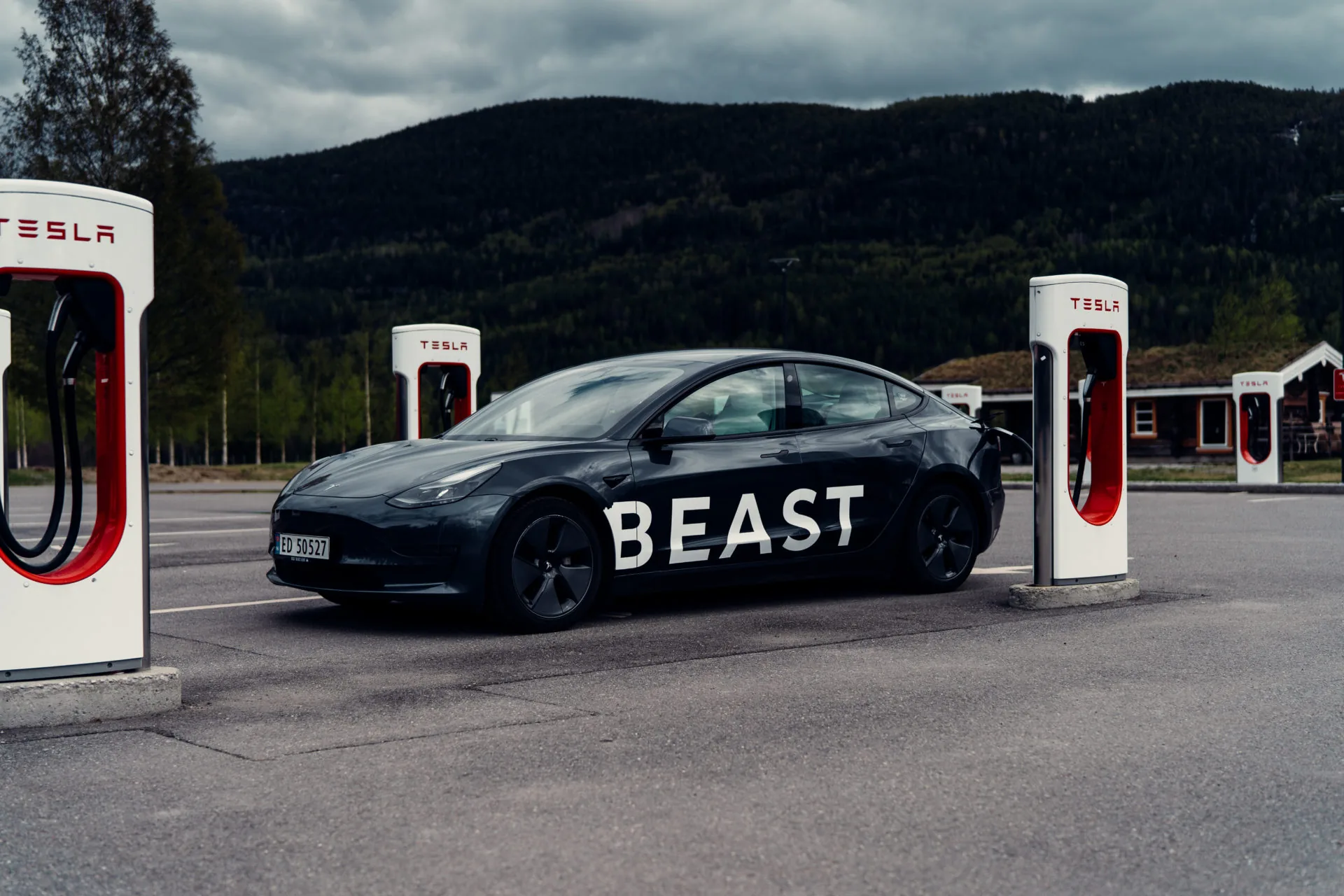
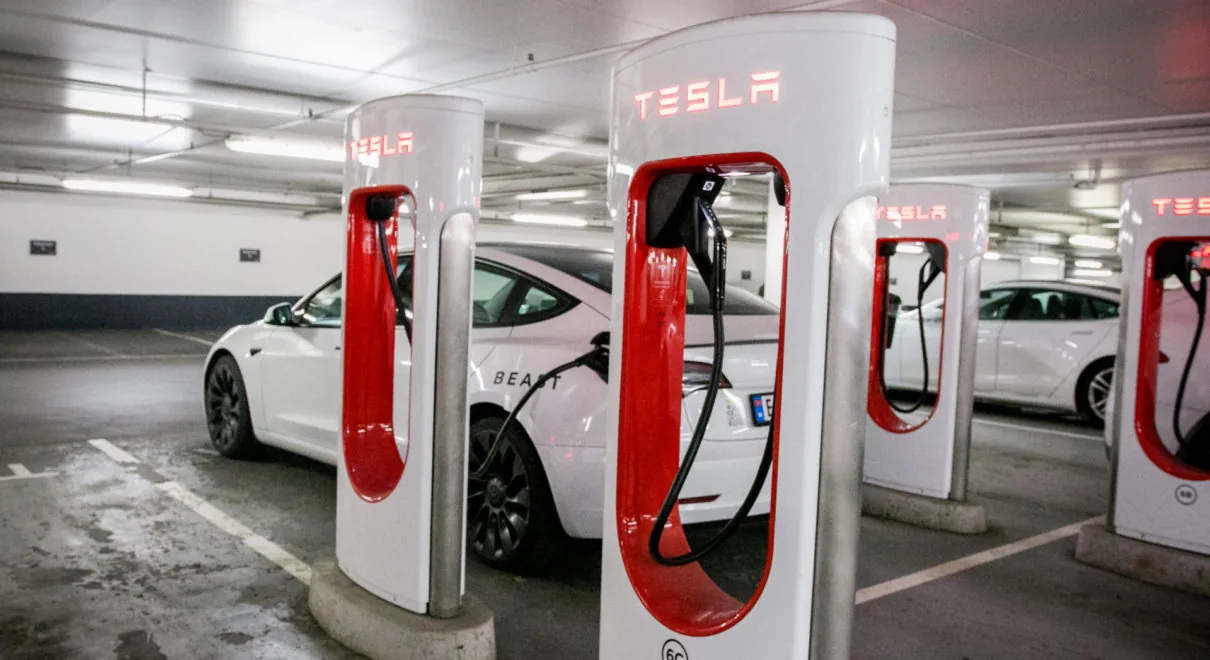
Fuel and charging stops are further apart than most visitors expect once you leave the southwest. Charge when you can rather than when you need to, and treat the range estimate as optimistic in cold weather and headwinds, because both are normal here.
A short checklist before you set off
- Check Umferdin for closures on today’s route.
- Check the Met Office gust forecast, not just the temperature.
- Read the Safetravel alerts for the region you are heading to.
- Leave a travel plan with Safetravel if you are going somewhere remote.
- Save 112 and download the 112 Iceland app.
- Plan charging stops with a real margin, and top up whenever you stop anyway.
None of this makes Iceland difficult to drive. It makes it predictable, which is the point. The country rewards people who check the forecast and punishes people who assume it will hold.